
Proactive monitoring. Reliable integrity.
Comprehensive damage-mechanism analysis, risk-based inspection, and fitness-for-service across the asset lifecycle.
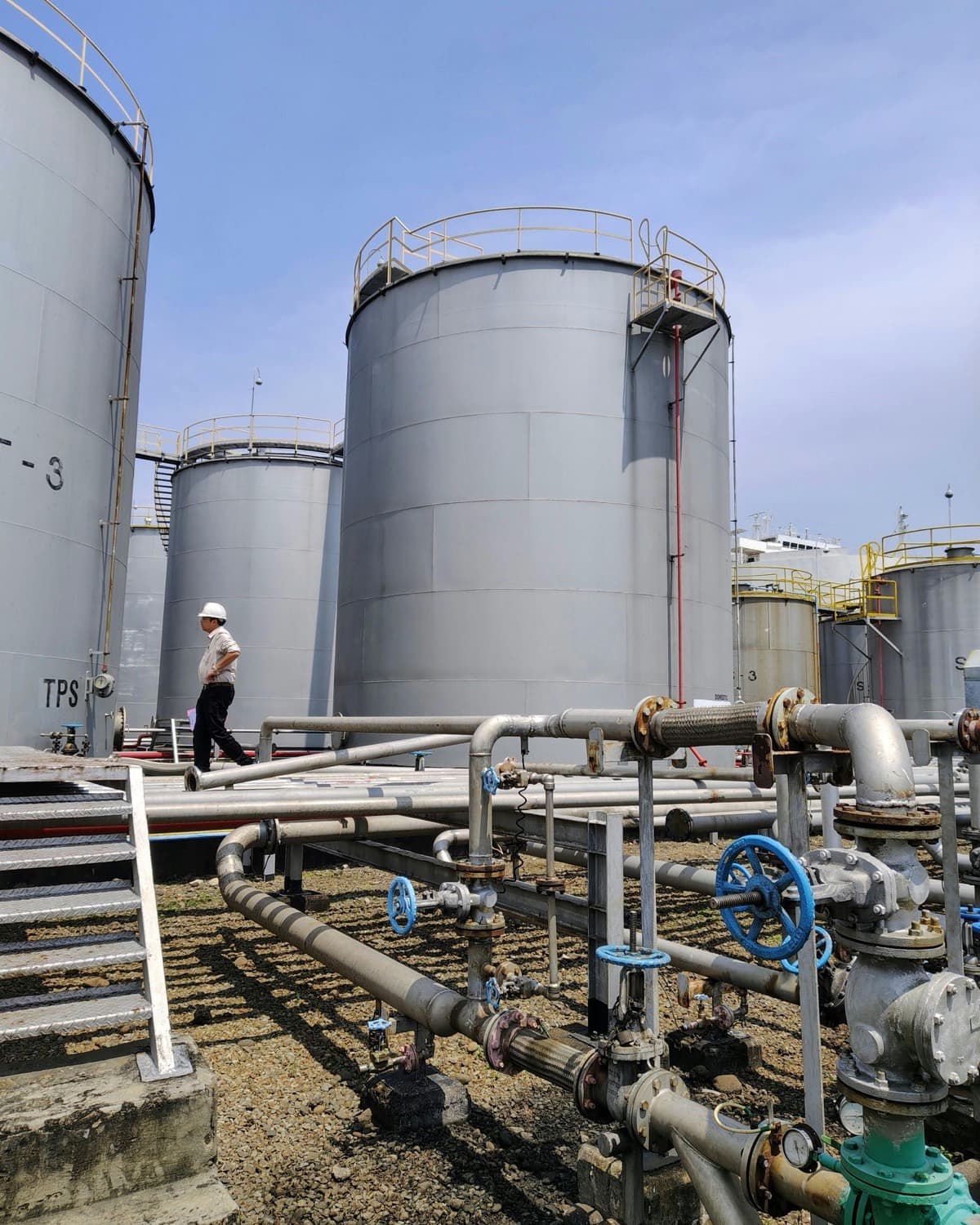
Asset integrity management keeps critical assets maintained in a fit-for-service condition while extending their remaining life in the most reliable, safe, and cost-effective manner.
We are specialised in providing asset integrity assessments, identifying potential damage mechanisms, and providing online monitoring solutions for piping systems in oil and gas and power plants. Through advanced diagnostic techniques and real-time monitoring, we help ensure the longevity, safety, and efficiency of critical assets, enabling proactive maintenance and minimising operational risks.
Aramco-Approved Vendor
Pre-qualified across Saudi Aramco operations and EPC contracts.
Independent Assessment
Evidence-based integrity verdicts, free of manufacturer or buyer bias.
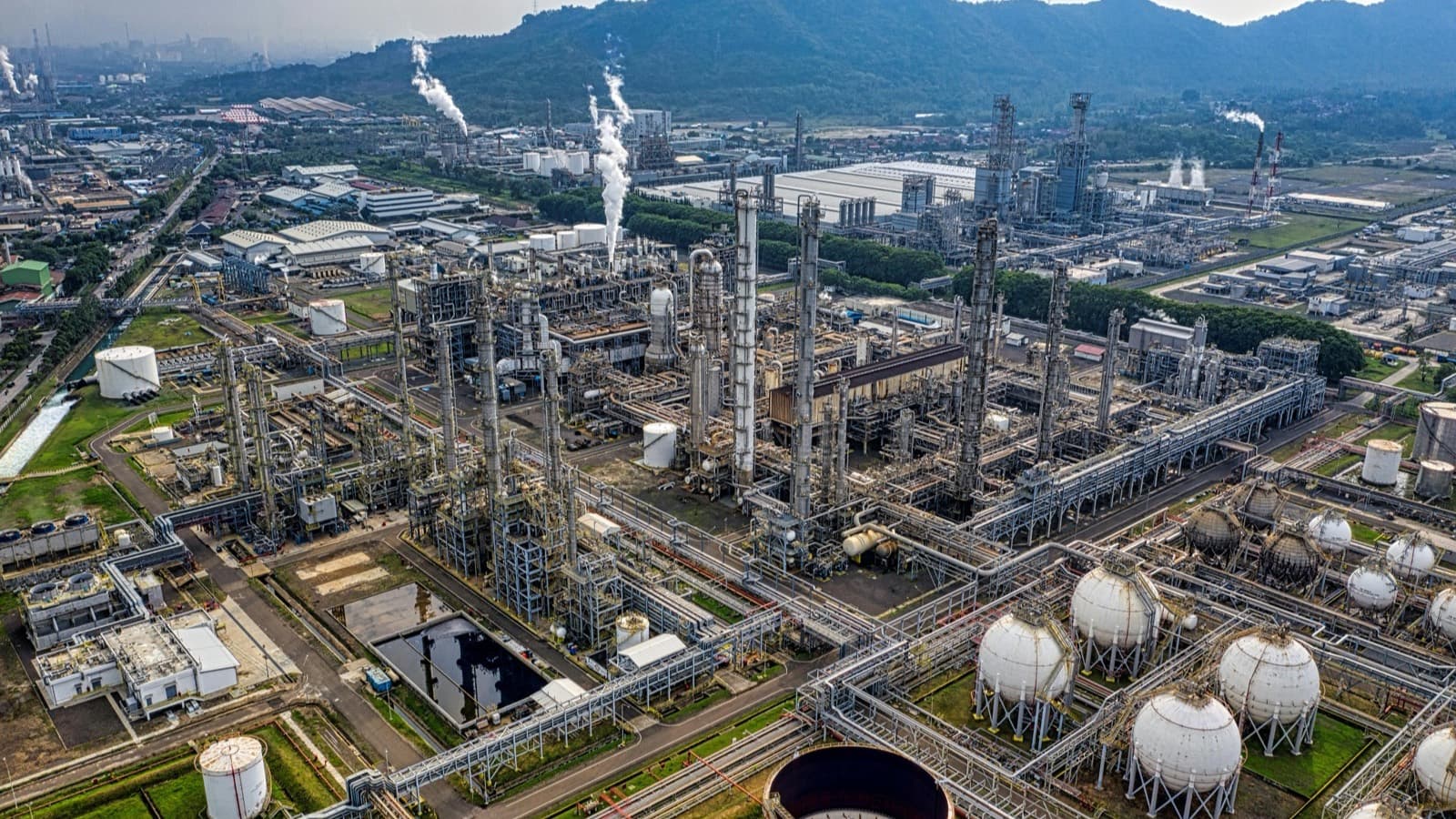
Specialised AIM services Proactive Monitoring, Reliable Integrity
Nine activities spanning advanced diagnostics, damage-mechanism and crack assessment, fitness-for-service, risk-based inspection, and remaining-life evaluation.
Four more services. One delivery team.
Most projects need more than one of these. We scope across services without handoff loss.
Related from the inspection floor.
Questions buyers ask about AIM
Asset integrity management keeps critical assets in a fit-for-service condition while extending their remaining life in the most reliable, safe, and cost-effective manner. It combines in-service inspection, damage-mechanism analysis, risk-based planning, and fitness-for-service assessment under a single closed-loop programme.
API 510 for pressure vessels, API 570 for in-service piping, API 653 for aboveground storage tanks, API 579-1 for fitness-for-service, API 580 and 581 for risk-based inspection, API 1104 for pipelines, ASME Sections V, VIII and IX for materials and welding, and NACE / AMPP for corrosion management.
Yes. IES delivers RBI screens and re-screens under API 580 and API 581 methodology, integrating damage-mechanism analysis with operating data so inspection intervals reflect real risk rather than default code maxima.
Yes. IES delivers fitness-for-service assessments to API 579-1 Levels 1 and 2 when a defect exceeds the code allowable, supporting repair-versus-replace and run-to-failure decisions with documented engineering evidence.
Pressure vessels, in-service piping systems, aboveground storage tanks, process heaters, valves, and related static equipment across oil and gas, petrochemical, and power assets. Pipeline integrity is covered under API 1104.
Proactive monitoring and reliable integrity, keeping critical assets fit for service while extending their remaining life.
Or call us direct. KSA: +966 50 926 9420 UAE: +971 50 139 9824